
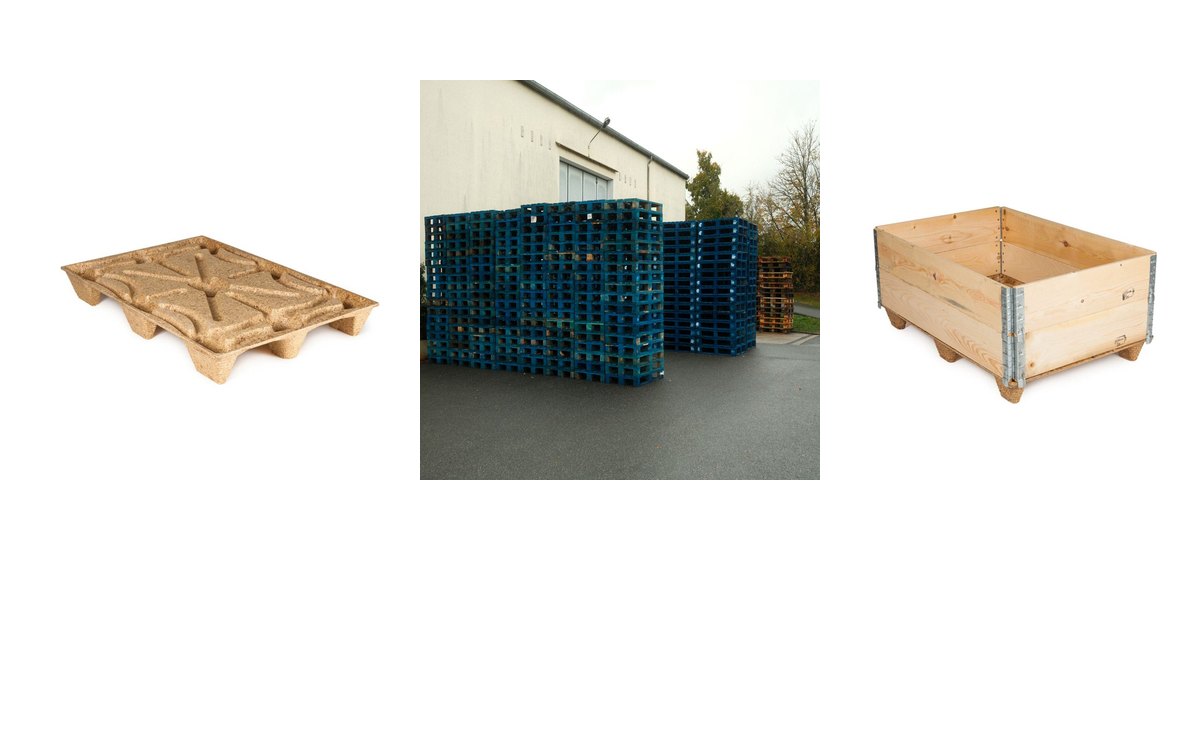
A pallet is the standard base that makes storing and moving goods easier; but not all pallets are the same. By material, pallet types fall into five main groups: wood, plastic, composite (presswood), metal and cardboard. This guide covers the strengths, weaknesses, cost structure and best use of each.
1) Wooden pallets
The most common and cheapest type up front; made by nailing timber and repairable. Weaknesses: heavy (~25 kg), absorbs moisture and rots, harbours splinters and nails, and requires ISPM-15 heat treatment/fumigation for export. Short life and processing costs raise long-term total cost.
2) Plastic pallets
Injection-moulded; very hygienic, washable, long-lasting and ISPM-15-free. Weaknesses: high up-front cost, can flex under heavy loads, usually not repairable once damaged. Preferred in closed-loop (returnable) operations and hygiene-critical lines.
3) Composite (presswood) pallets
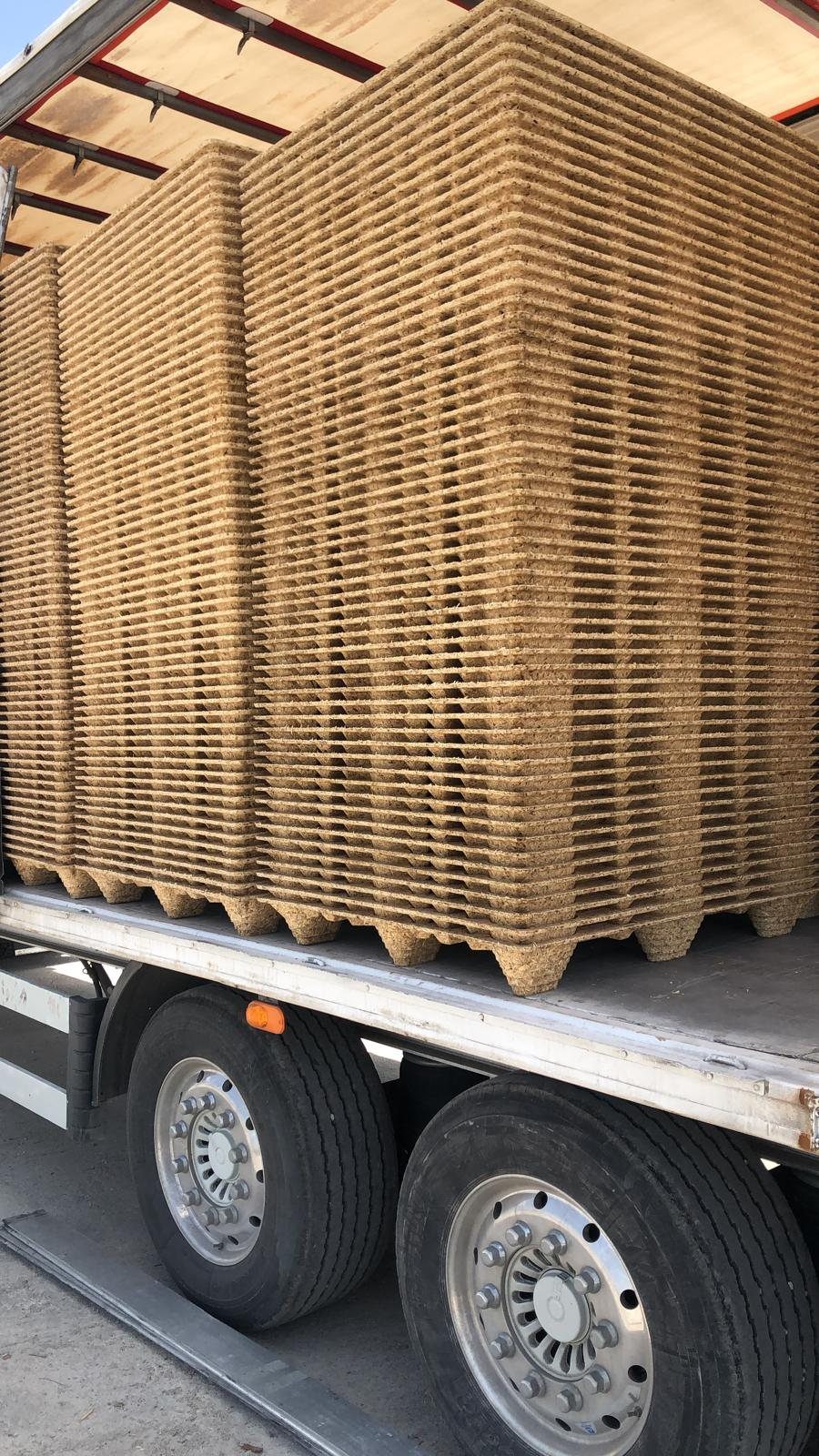
Made by pressing wood fibre with resin into a single piece under high heat and pressure; also known as compressed, pressed or chipboard pallet. It combines the cost balance of wood with the hygiene and stability of plastic: light (~14–20 kg), nail- and splinter-free, unaffected by moisture and ISPM-15 exempt for export. Being nestable, it saves space in empty storage. See our composite pallet page for detail.
4) Metal pallets
Made of steel or aluminium; offers the highest load capacity and longest life. But it is very heavy and expensive, with corrosion risk. Rarely economical outside heavy industry, automotive tooling and special returnable systems.
5) Cardboard (paper) pallets
Very light and preferred in one-way air freight; no ISPM-15 needed. But it quickly loses strength in humidity, has low load capacity and is not reusable. A limited solution outside light, single-trip shipments.
Which pallet type suits which job?
- Export: the ISPM-15-exempt composite pallet — see export pallet.
- Food / pharma: hygienic surface → composite or plastic.
- Closed-loop logistics: plastic or composite.
- Low budget, internal use: wood.
- Heavy industry: metal; one-way air freight: cardboard or light composite.
For a point-by-point comparison of the three main types see our composite vs wood vs plastic article, and for dimensions the pallet sizes guide.