
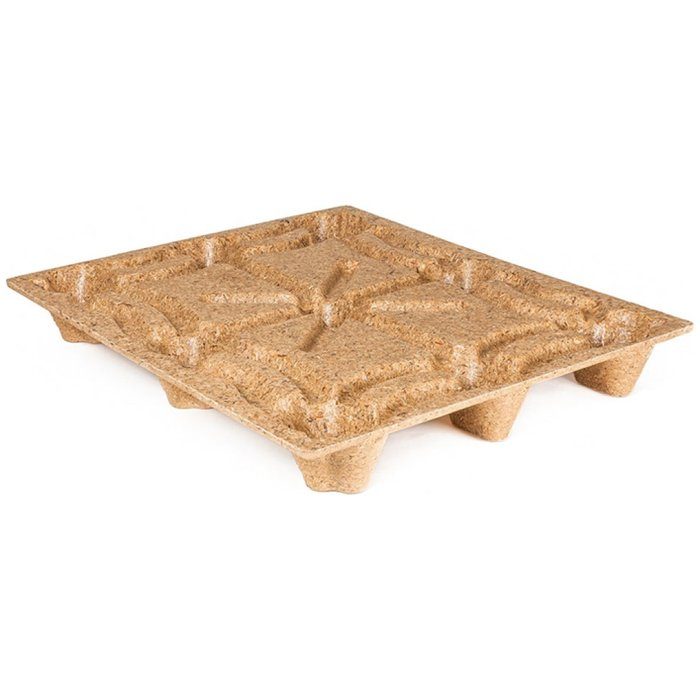
The Euro pallet is the common transport standard of European logistics: a pallet with a 1200×800 mm (80×120 cm) footprint, its dimensions and strength defined by standards. Because trucks, containers, racking and automated warehouses are planned around this size, it is the cornerstone of every supply chain working with Europe.
Euro pallet dimensions
| Footprint | 1200 × 800 mm (80×120 cm) |
| Height (classic wooden EPAL) | ~144 mm |
| Weight (wood) | ~25 kg |
| Weight (composite) | 14–17 kg |
| Dynamic load | ~1.500 kg |
| Entry | 4-way |
* Values vary by type and maker; composite figures are for Efesan production.
Euro pallets in trucks and containers
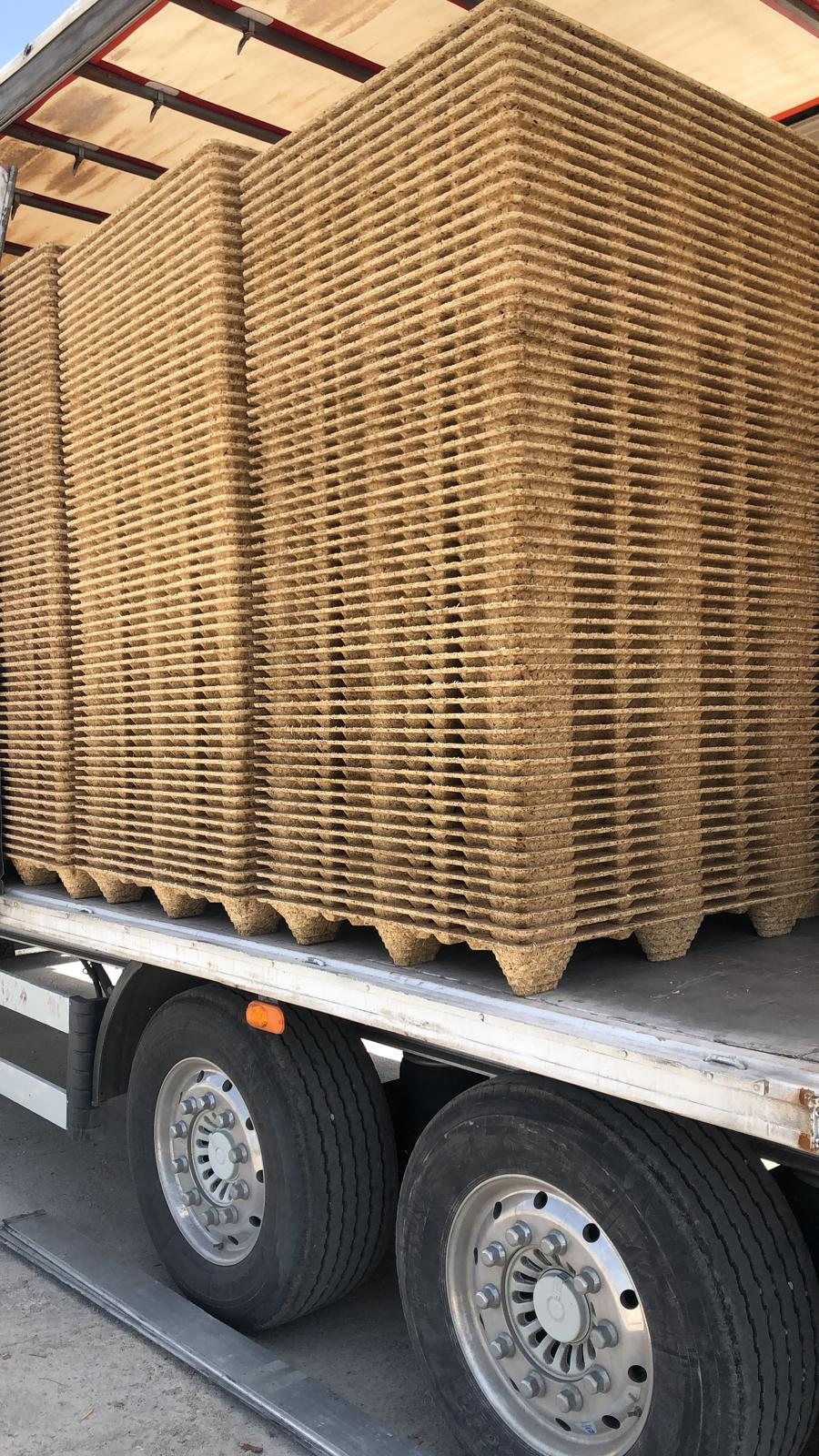
A standard truck (13.6 m) floor takes about 33 Euro pallets; that is why European road-freight load plans are discussed in Euro pallets. Sea-container internal width is not perfectly optimised for the Euro footprint; for container-heavy overseas shipments, container-efficient sizes like the 114×114 square pallet are considered.
What does the EPAL stamp mean?
On classic wooden Euro pallets, the EPAL (European Pallet Association) stamp shows the pallet was produced and audited to the size and strength standard; stamped pallets are used in European exchange pools. Wooden EPAL pallets must also carry the ISPM-15 heat-treatment stamp for export.
The composite Euro pallet: an ISPM-15-free alternative
Produced on the same 1200×800 mm footprint, the composite (presswood) Euro pallet works without changing your racking, conveyors or load plans, yet offers two big differences: it is about 10 kg lighter (14–17 kg) and, as a processed wood product, needs no ISPM-15 heat treatment/fumigation. In one-way export it removes certificate, stamp and processing costs. See our 80×120 composite pallet page for technical values.