

Sustainability is now central to logistics purchasing decisions. A high-volume, cyclical item like a pallet plays a bigger role in a company's carbon footprint than it appears. This article covers pallet recycling, the contribution of producing from recycled material, and the sustainability advantage of composite pallets.
How is a pallet recycled?
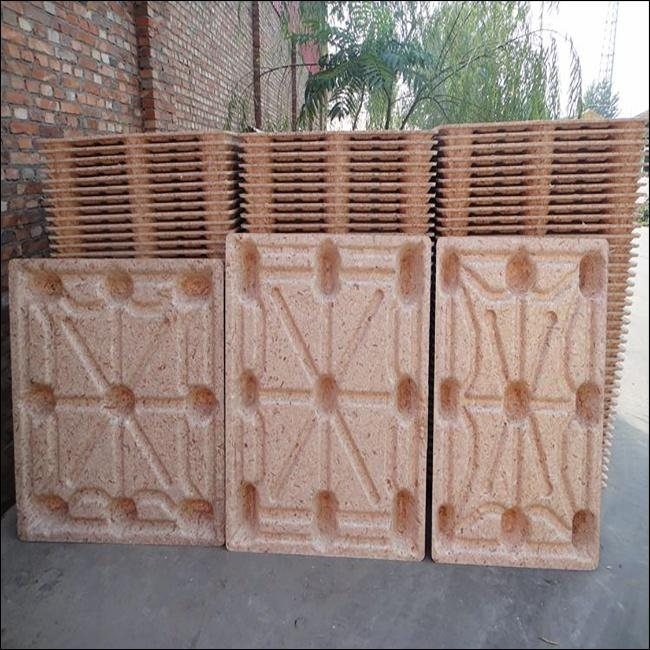
A wooden pallet is repaired at end of life; broken ones are chipped and used to make new board and fuel (biomass). Plastic pallets are ground and re-pelletised. The composite (presswood) pallet is already made from recycled wood fibre and can be reprocessed at end of life; this contributes directly to the circular economy.
Production from recycled material
The composite pallet uses recycled wood fibre instead of timber; this reduces tree felling and turns waste wood into value. Compared with new-tree and timber-processing routes, using recycled fibre has the potential to lower production-related greenhouse-gas emissions. The product being 100% recyclable closes the life cycle.
Light weight and freight emissions
A large part of the carbon footprint comes from transport. Being about 10 kg lighter than wood, the composite pallet reduces the dead weight carried in the same shipment and therefore fuel use and emissions. Being nestable also reduces empty-return trips.
Long life = less production
The most sustainable pallet is the one used longest. The composite pallet's long life and high reuse mean fewer new pallets produced and less waste. For the sustainability comparison of composite, wood and plastic, see Why Composite Pallets? and for sizes our composite pallet page.
* Emission statements are general assessments; an exact carbon calculation varies with your production, transport and usage data.